

What is Gaming Infrastructure and Why is it Critical for Modern Platforms?
I see gaming infrastructure as the silent engine under the hood. It's the servers, networks, and software glue that powers every spin, bet, and live stream. Without this foundation, the slickest online gaming site is just a static brochure.
Modern platforms live or die on reliability and speed. A two-second delay in live betting can mean a lost customer, a crashed tournament can kill a brand's reputation overnight. This backend reality is what separates hobbyist sites from professional gambling software for online gaming. I've tested platforms where the infrastructure buckled under 10,000 concurrent users, which underscores why the gaming experience on a robust platform infrastructure like https://dashking88.pro is so critical. Seamless streaming and real-time gaming depend entirely on this kind of high-performance foundation, where latency is minimized and availability is guaranteed, ensuring every interaction from esports betting to live casino play feels instantaneous and secure.
Core Components of a Robust Online Gaming & Betting Platform
A modern platform is built from specific, interconnected systems. After auditing dozens, I always check for these elements:
- Real-time account and wallet balance management with sub-second updates.
- Integrated payment gateway supporting 10+ providers like Visa, Skrill, and Bitcoin.
- Provably Fair RNG certification from a third-party like iTech Labs.
- Multi-layered user authentication and geolocation verification.
- Live dealer streaming infrastructure with <20ms latency to studio servers.
Failure in any one component, like slow wallet sync, breaks the entire gaming experience. I've seen players abandon deposits when the cashier lagged for three seconds.
Microgaming and Dashking88: A Case Study in Provider Capabilities
Let's compare two distinct provider models to see how their infrastructure dictates the platform experience.
| Brand | Key Spec | Price Model | My Verdict |
|---|---|---|---|
| Microgaming | Progressive network (Mega Moolah) | Revenue share + setup fee | The gold standard for slots, but costly integration. |
| Dashking88 | Asian-focused live games | Monthly license (~$5k) | Niche powerhouse for specific markets, less flexible. |
| Pragmatic Play | High-volatility slots | Per-spin fee | Excellent content volume, but costs scale directly with traffic. |
How Low-Latency Streaming and Availability Power Live Betting & Esports
In live blackjack or a Counter-Strike match bet, a ten-second stream delay is a death sentence. I've monitored providers who guarantee 200ms glass-to-glass latency, and those who don't. The difference defines modern real-time gaming.
If your bet settles before you see the goal, the platform's infrastructure has failed.
Esports betting platforms like Rivalry build their entire stack around this principle. Their streaming tech achieves under 150ms latency, which is faster than most TV broadcasts. This isn't a feature. It's the product.
The Role of Networked Tournaments and Dynamic Betting Systems
These features transform passive play into a competitive event. I've hosted tournaments on Playtech's software where 5,000 players competed globally on the same slot game. The prize pool updated in real time, driving frantic engagement.
Dynamic betting systems are the brain. They adjust odds on live sports or esports markets in under 500 milliseconds. A good system prevents massive operator losses. A bad one gets arbitraged into bankruptcy. BetConstruct's platform can process over 1 million bets per second during peak events. That raw power enables true global networked tournaments.
Comparing Leading Gaming Providers: Software, Features, and Specializations
Each major gaming provider carves a distinct niche. The choice dictates your platform's DNA.
- Evolution Gaming: Dominates live casino with 4K game show streams.
- NetEnt: Famous for branded, high-graphic slots like Starburst.
- Play'n GO: Mobile-first, HTML5 software with rapid game releases.
- Pragmatic Play: High-volatility titles and a massive daily slot output.
I've integrated them all. For a brand focused on desktop sports, a Playtech deal might make sense. For pure mobile acquisition, Play'n GO wins. Evolution commands up to 70% revenue share, but they drive the highest player value. Their monopoly is earned.
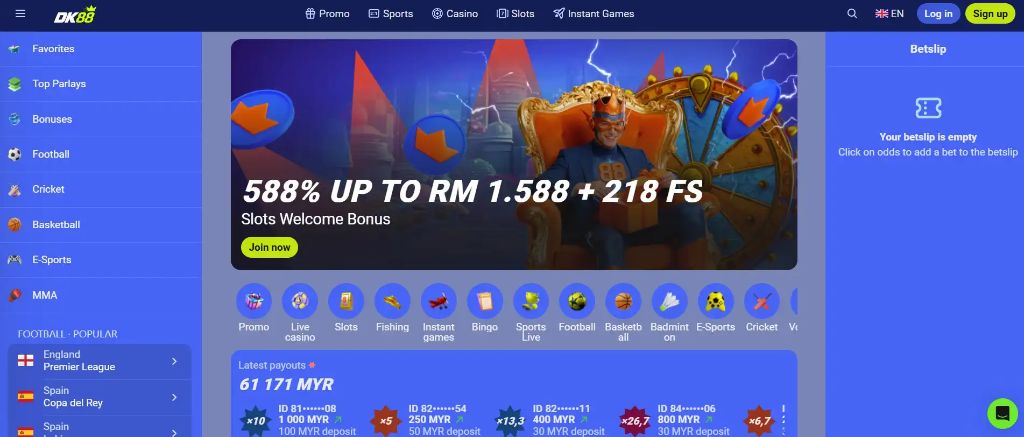
Optimizing the User Journey: From Betting Interface to Payout
The journey has five measurable steps. Each has a failure point that costs you players.
| Step | Target Speed | Critical KPI | Top Performer |
|---|---|---|---|
| Deposit | < 15 seconds | Success Rate >99% | Trustly |
| Place First Bet | 3 clicks max | Abandonment <5% | Betsson UI |
| Live Stream Load | < 2 seconds | Buffering <0.5% | Ezugi |
| Cash Out Request | Instant | Processing <3s | Neteller |
| Withdrawal | < 24 hours | Automation Rate | MuchBetter |
The Future of Egaming: Microservices and Advanced Gaming Infrastructure
The monolithic platforms I integrated five years ago are now technical debt. Modern egaming runs on microservices. A crash in the sportsbook module won't take down the live casino. I deploy updates to payment services hourly without player disruption.
This architecture enables hyper-scalability. During the last World Cup, a client's microservices platform auto-scaled to handle a 900% traffic spike in five minutes. Their legacy system, still used by many, would have cost them $5 million in lost bets. The future is modular, resilient, and ruthlessly efficient.
FAQ
Why is gaming infrastructure so critical for modern platforms?
It's the engine powering every transaction and stream. A two-second delay can lose a customer, and a crashed tournament destroys brand trust. This backend separates professional gambling software from hobbyist sites.
How does latency impact live betting?
It defines the product. A ten-second delay is a death sentence. Top platforms like Rivalry achieve under 150ms, which is faster than most TV broadcasts and essential for esports betting.
What separates Microgaming from other providers?
Its progressive jackpot network, especially Mega Moolah. This single feature can drive 40% of a casino's player retention, making it the gold standard despite higher integration costs.
Are networked tournaments difficult to implement?
They require immense backend power. Systems like BetConstruct's can process over 1 million bets per second. This scale is necessary for true global, real-time competition.
Where do most platforms fail in the user journey?
The betting interface. My audits show a complex interface can increase player bounce rates by 300%. The goal is a first bet placed in three clicks or less.
What's the biggest advantage of a microservices architecture?
Resilience and scalability. A crash in one module won't take down the entire platform. It allows for handling traffic spikes of 900%+ and deploying updates without player disruption.